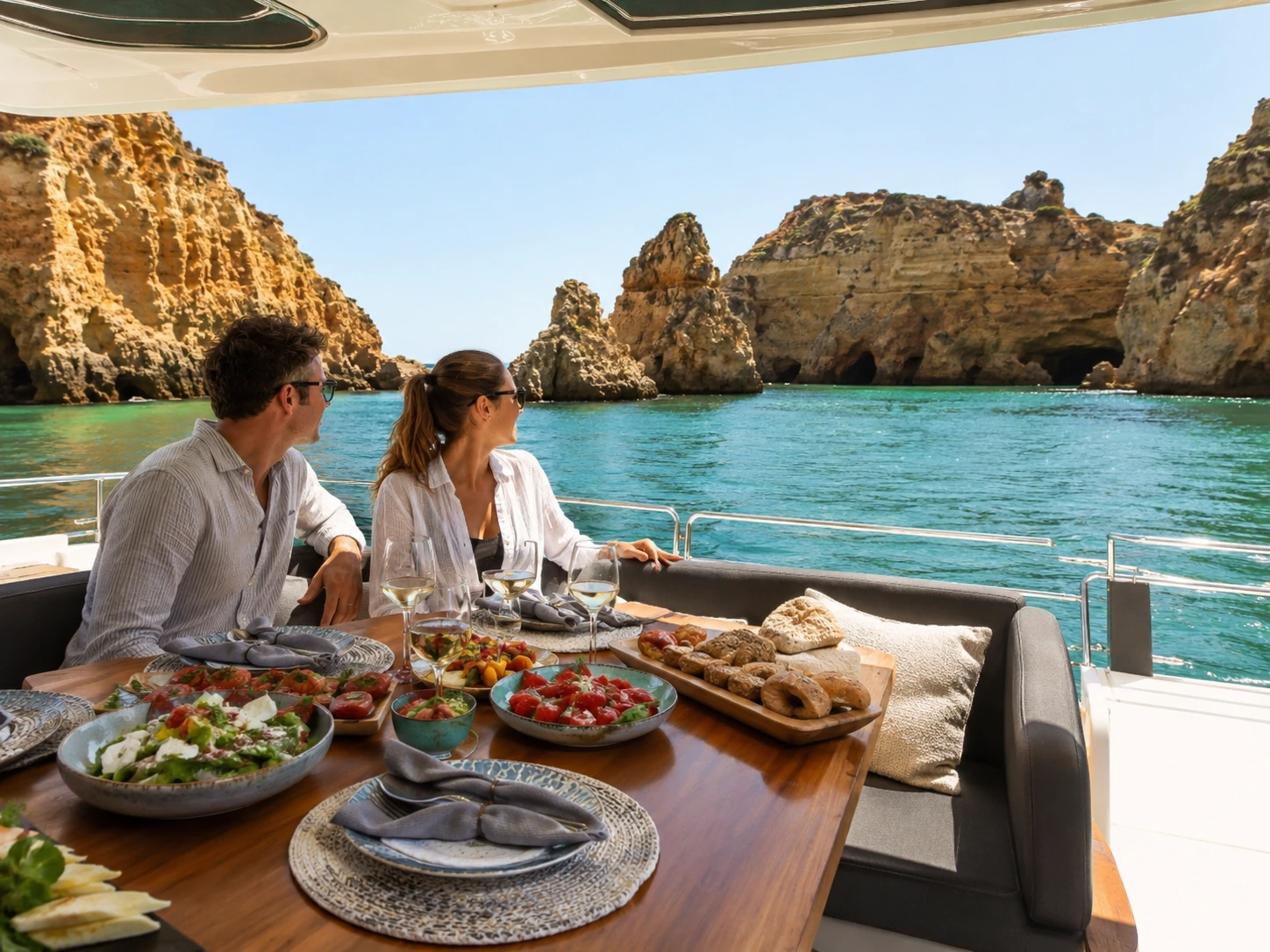
A private wine tasting is not about drinking more. It is about pace, attention, and comfort. In Portugal, the best upgrades are usually the ones that remove friction: quieter rooms, better hosting, a flight shaped around your tastes, and timing that fits your day rather than forcing you into someone else’s schedule. This guide helps you decide when private is truly worth it and when a small-group tasting is the smarter choice.
- At a Glance: Portugal Wine Tastings: When to Go Private
- What “private” actually means (and what to look for)
- When it’s worth upgrading to private
- When private is not necessary
- What you typically get with a private upgrade
- Where private tastings tend to shine most in Portugal
- How to plan the day around a private tasting
- Booking checklist (so it feels premium, not awkward)
- Ready to Upgrade to a Private Wine Tasting in Portugal?
- FAQ: Private Wine Tastings in Portugal
- More Portugal Wine Tasting Experiences Guides
At a Glance: Portugal Wine Tastings: When to Go Private
- Best for: couples, special occasions, mixed groups, travellers who value calm logistics
- What “private” improves most: hosting quality, pacing, privacy, and personalisation
- Best upgrade combo: private tasting with a long lunch, or private tasting with a driver
- Good alternative: small-group seated tastings when you want value and atmosphere
- Pacing rule: one “hero” experience per day (private tasting or long lunch)
To keep recommendations consistently premium (and genuinely useful), we focus on a few non-negotiables:
- Hosted attention: private should mean real hosting, not just fewer people in the room.
- Unhurried pacing: enough time to taste, ask questions, and reset your palate without feeling timed.
- Comfort first: seated tastings, calm rooms or terraces, and shade or indoor options in warm months.
- Personalisation that matters: flights adapted to your preferences, not a generic “top tier” list.
- Clear inclusions: duration, number of wines, food elements, and any upgrades explained upfront.
- Logistics that stay smooth: start times that fit a relaxed day, and an easy arrival and exit (especially important in rural regions).
A quick note on how we decide what to feature—and how partner links fit into this guide.
This guide is curated on merit. We select experiences based on research, reputation, and the quality of the guest outcome—not paid placement. Recommendations cannot be bought, and inclusion is never guaranteed in exchange for compensation.
Some links in this article may be partner or affiliate links. If you choose to book through them, we may earn a small referral benefit—at no extra cost to you. This does not influence which providers are featured, how options are described, or how we rank what stands out.
What “private” actually means (and what to look for)
Private tastings come in a few common forms. Knowing the difference helps you pay for the right thing.
Private tasting
A dedicated host and a dedicated slot, usually in a quieter room or terrace setting. The best versions are tailored and paced.
Semi-private or “small private”
A small group, but with a more curated setup and better hosting. This can be excellent value if you still want calm without full privacy.
Small-group tasting
Often the best choice for value. If it is seated and well hosted, small-group can feel premium, especially in regions where the setting is the main event.
Quick filter: if “private” does not change the host attention, comfort, or timing, it is usually not worth upgrading.
When it’s worth upgrading to private
Private makes the biggest difference when you care about how the experience feels, not just the wines.
You want a slower pace and better conversation
If you enjoy asking questions and you want the tasting to adapt to your interests, private is often the best upgrade.
It’s a special occasion
Honeymoon, anniversary, celebration trip, or a meaningful shared experience. Privacy and pacing matter more than extra pours.
Your group is mixed
If you have different levels of wine knowledge, or a mix of drinkers and light drinkers, private hosting can keep everyone comfortable.
You want calm logistics and fewer decisions
Private slots are often easier to build around a day plan (especially with a driver), so you are not trying to align multiple public start times.
You care about service and setting
A quiet room, a terrace table, and a host who is not stretched thin can be the difference between “nice” and memorable.
Language and clarity matter
Private hosting can be more adaptable if you want simple explanations in English and a comfortable pace.
When private is not necessary
Sometimes private is a luxury with no real return.
You just want a quick introduction
If you want a straightforward flight and a view, a good small-group seated tasting is often enough.
The estate runs excellent small-group experiences
Some places are simply well run. If the small-group format is calm, seated, and hosted, upgrading may not change much.
Your day is already full
If you are squeezing tastings between plans, private does not help as much as simplifying the schedule.
What you typically get with a private upgrade
The best private tastings tend to improve the experience in specific, practical ways:
- Tailored flights: reds vs whites, lighter styles vs structured wines, Port-focused vs table wines
- Better pacing: fewer time pressures, more comfortable pauses
- More context: vineyard and cellar details explained at your level
- Calmer setting: quieter seating, better acoustics, less interruption
- Food options that fit: small pairing plates or a lunch format that runs smoothly
- A cleaner day plan: easier to align with pick-ups, transfers, and a relaxed return
Where private tastings tend to shine most in Portugal
Douro Valley
Private is often worth it here because logistics are real: rural drives, fewer easy alternatives, and experiences that benefit from being properly hosted and paced. A private tasting paired with a long lunch is one of the Douro’s most rewarding formats.
Alentejo
Alentejo suits private upgrades when you want a retreat-like day: space, quiet terraces, and food-forward pairings (often with olive oil culture). Private works especially well if you are staying countryside and want minimal movement.
Lisbon and Porto (city-based tastings)
Private can be useful when you want a weather-proof plan or a short, high-quality cultural moment without leaving the city. Small-group can also work well here, depending on the venue.
How to plan the day around a private tasting
Half-day plan (clean and easy)
- Late-morning private tasting (60–120 minutes)
- Light lunch nearby or on-site
- One calm finish (terrace, café, or short scenic pause)
Full-day plan (the premium version)
- Late-morning private tasting
- Long lunch with pairings
- One gentle late-afternoon finish
If you do this properly, you do not need a second estate.
Booking checklist (so it feels premium, not awkward)
- Ask whether it is fully private or semi-private
- Confirm duration, seating, and language options
- Check what is included: number of wines, food elements, and any upgrades
- If you want lunch, book it first (it anchors the timing)
- If you are tasting seriously, plan transport so the return stays effortless
Ready to Upgrade to a Private Wine Tasting in Portugal?
Choose private when it genuinely changes the feel of the experience: calmer pacing, more attentive hosting, and a tasting shaped around your preferences rather than a fixed group script. When you plan it as the day’s single “hero” moment, the upgrade feels effortless—and worth it.
FAQ: Private Wine Tastings in Portugal
Share this guide
More Portugal Wine Tasting Experiences Guides
Alentejo Wine Estates & Olive Oil Tastings (A Slow, Sense-of-Place Escape)

What to Do and See in Lisbon: The Most Authentic Experiences
Alentejo Wine Weekend: A 2–3 Night Escape Built Around Long Lunches
Best Seasons for Wine Estate Travel in Portugal (Crowds, Light, Lunch Culture)

River Light & Evening Walks in Lisbon and Porto
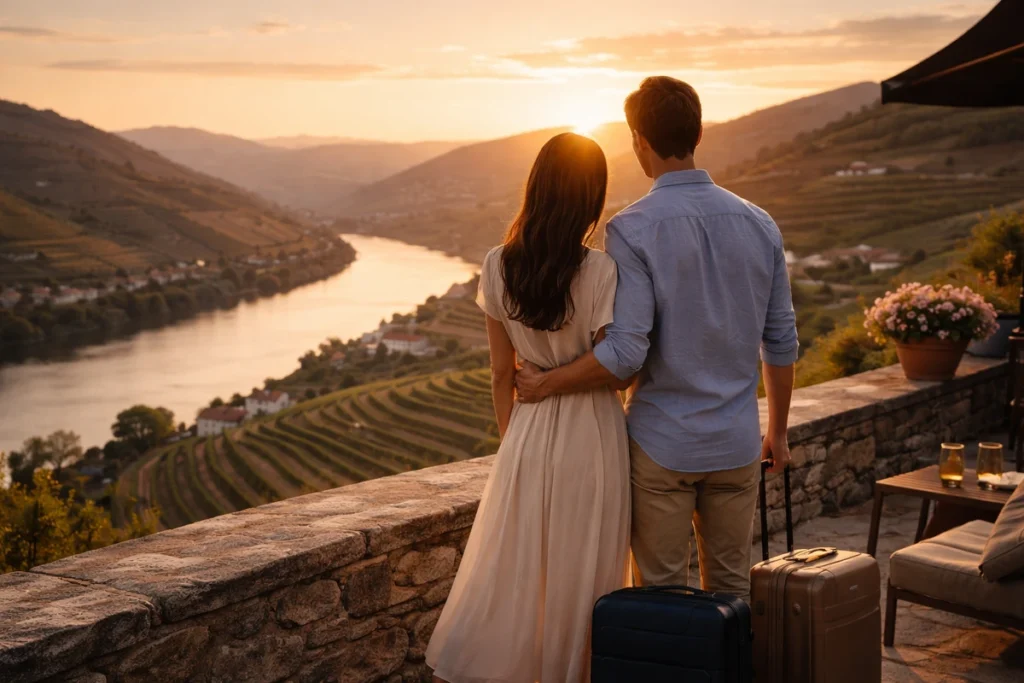
Douro Day Trip vs Overnight Stay: What’s Worth It
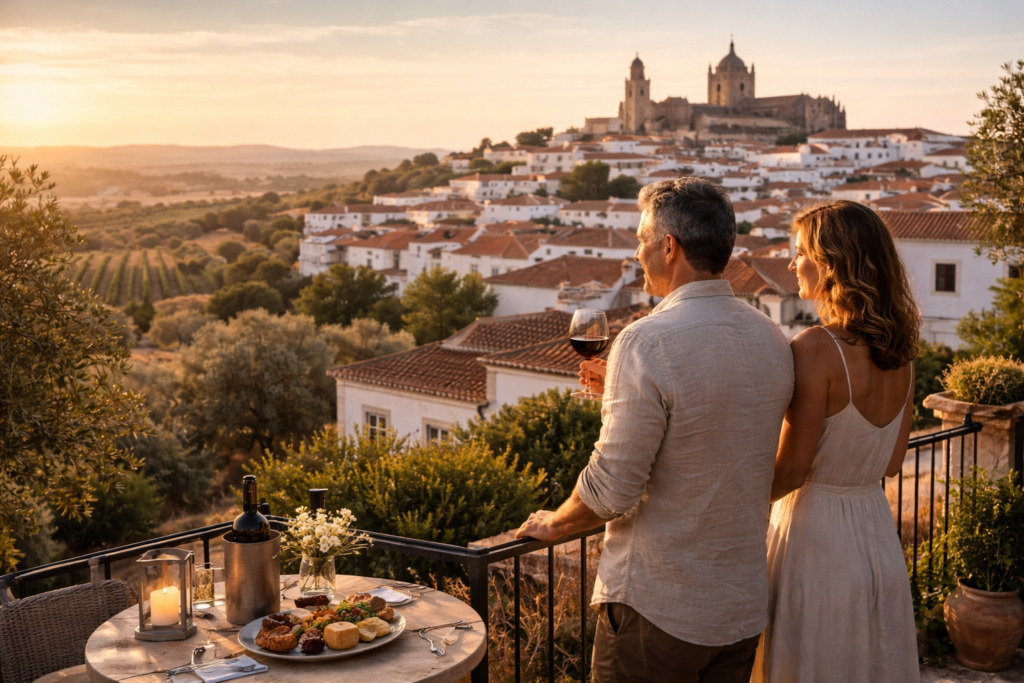
Where to Base for Alentejo Wine: Évora vs Countryside Estates

Viewpoint-to-Dinner Routes in Lisbon (Golden Hour to Table)
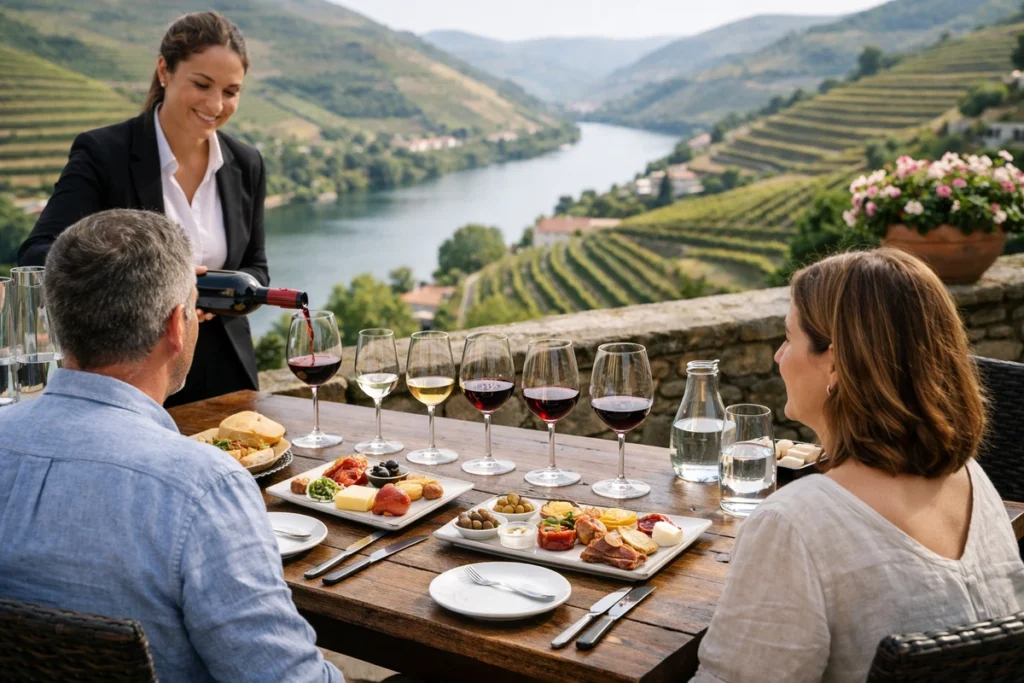
Portugal Wine Tastings: What to Expect (From Casual Flights to Private Pairings)

Best Wine Estate Experiences in Portugal: Quintas, Tastings & Long Lunches
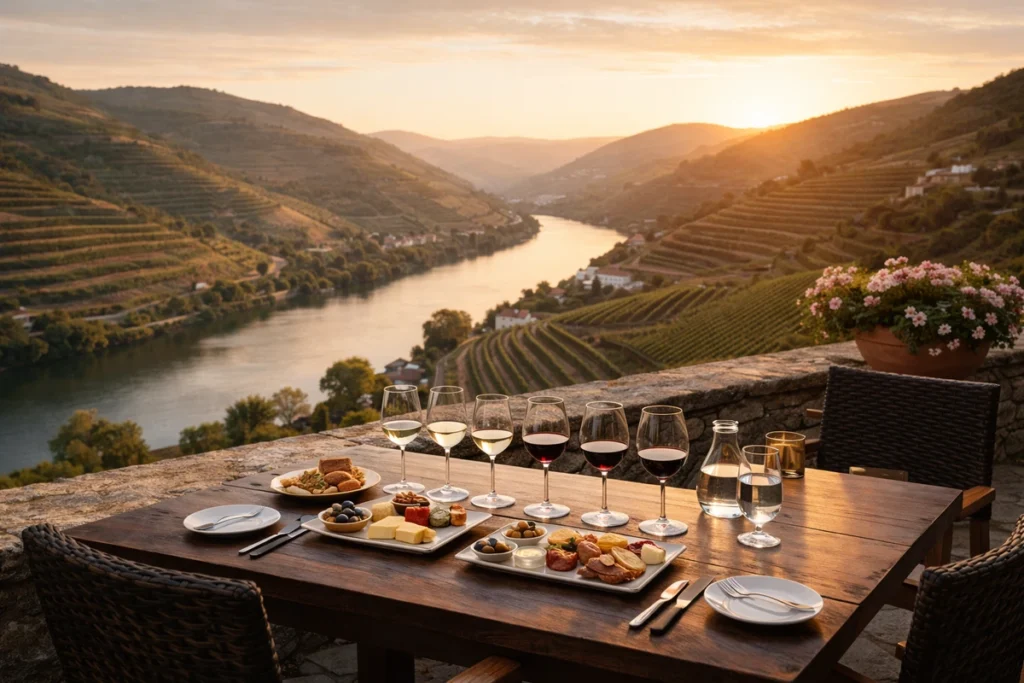
Douro Valley Wine Estates: Best Tastings, Views & Vineyard Lunches