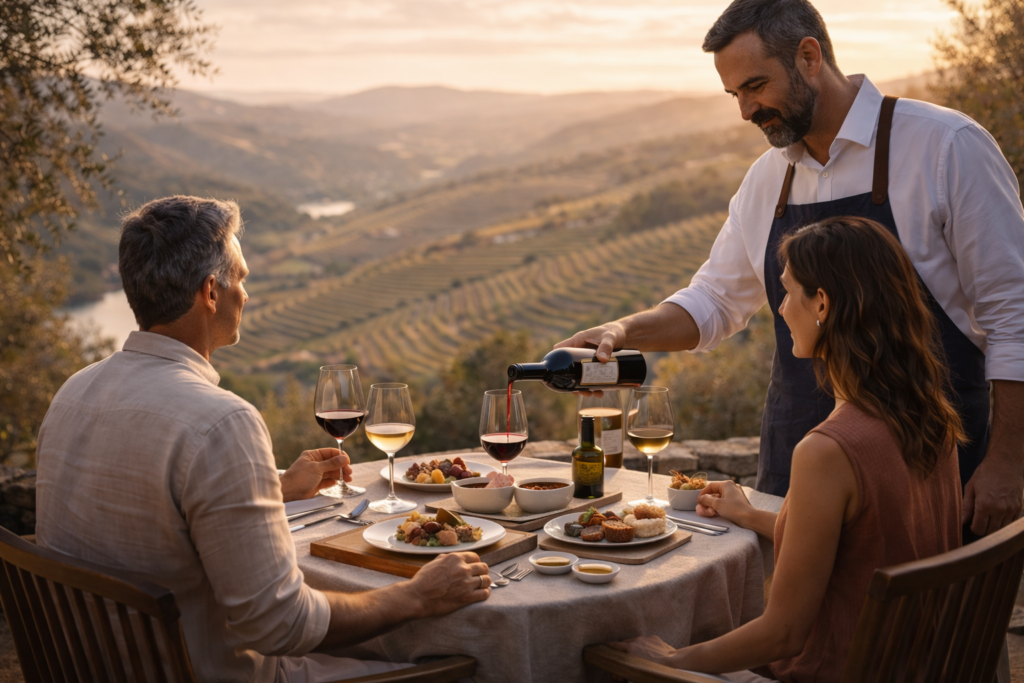
Wine estate travel in Portugal is less about ticking off wineries and more about getting the season and timing right. The best days are built around a seated tasting, a long lunch, and a calm finish—so the question becomes: when does Portugal make that easiest?
This guide breaks down each season through three luxury-planning lenses: crowds, light, and lunch culture—with practical notes for the Douro and Alentejo, where estate-led days tend to feel most rewarding.
- At a Glance: Portugal Wine Season Planning
- What “best season” means for luxury travellers
- Spring (March to May): calm, green, and very comfortable
- Summer (June to August): late light and terraces, but plan around heat
- Autumn (September to November): the most wine-led season
- Winter (December to February): quiet, intimate, and unexpectedly good
- Quick guidance for Douro vs Alentejo by season
- The best months for specific trip styles
- Booking and pacing tips that work in every season
- Ready to Choose the Best Season for Portugal Wine Estates?
- FAQ: Best Seasons for Wine Estate Travel in Portugal
- More Portugal Wine Tasting Experiences Guides
At a Glance: Portugal Wine Season Planning
- Best overall balance: late spring and early autumn
- Best for long lunches outdoors: late spring, early summer, early autumn
- Quietest feel: winter (with the right indoor spaces)
- Most dramatic vineyard mood: harvest season (busy, but special)
- Pacing rule: one “hero” estate per day, then linger
- Booking rule: long lunches and private tastings book out first, especially weekends
To keep this guide consistently premium (and genuinely useful), we evaluate Portugal’s wine-estate seasons using a small set of non-negotiables—focused on comfort, light, and lunch pacing, not just weather.
- Terrace comfort and seated ease: We prioritise seasons when you can sit outside comfortably for a long lunch or tasting, with shade or strong indoor alternatives when it is hot or wet.
- Light that flatters the experience: We favour periods with softer late-afternoon light and enough daylight to enjoy a calm finish, rather than scheduling around harsh midday glare or very short winter days.
- Crowd realism and booking pressure: We account for when estate restaurants and private slots fill fastest, so your trip feels planned, not squeezed into leftover times.
- Lunch culture that runs at its natural pace: We prioritise seasons when long lunches feel effortless—service is unhurried, temperatures are comfortable, and you are not rushing to beat heat or early darkness.
- Pacing that stays simple: The best season is the one where one “hero” estate day is enough—tasting, lunch, terrace pause—without needing extra stops to “make the day worth it.”
- Logistics that stay smooth: We consider road comfort, drive times, and the ease of finishing the day well, especially in rural regions where the return can shape the whole experience.
- Clarity for planning: We favour seasons where expectations are easy to set (heat, harvest energy, weekend demand), so you can book confidently and keep the rhythm relaxed.
A quick note on how we decide what to feature—and how partner links fit into this guide.
This guide is curated on merit. We select experiences based on research, reputation, and the quality of the guest outcome—not paid placement. Recommendations cannot be bought, and inclusion is never guaranteed in exchange for compensation.
Some links in this article may be partner or affiliate links. If you choose to book through them, we may earn a small referral benefit—at no extra cost to you. This does not influence which providers are featured, how options are described, or how we rank what stands out.
What “best season” means for luxury travellers
If your ideal wine day includes a long lunch and terrace time, “best season” is not only about temperature. It is about whether the region supports a calm rhythm:
- Can you sit outside comfortably for two to three hours?
- Is the light flattering in the afternoon?
- Do you need to plan around crowds, heat, or limited availability?
Portugal’s wine regions can deliver in every season, but the “effortless” version is more likely when conditions make lingering easy.
Spring (March to May): calm, green, and very comfortable
Spring is one of Portugal’s best-kept secrets for estate travel. Landscapes feel fresh, days are comfortable, and lunch culture is in full swing without peak-season pressure.
Crowds
Generally lighter than summer, with a noticeable lift around Easter and long weekends.
Light
Soft and flattering, especially late afternoon. Ideal for terraces and photos without harsh glare.
Lunch culture
Excellent. This is one of the easiest seasons for long lunches that do not feel like endurance.
Best for: couples, first-timers, travellers who want a premium pace with fewer bookings stress.
Summer (June to August): late light and terraces, but plan around heat
Summer can be beautiful for wine estates, but it rewards travellers who plan for comfort. The goal is not to do more, but to do the day at the right tempo.
Crowds
Highest in many regions, especially on weekends and around key holiday weeks. Availability for top lunches can tighten quickly.
Light
Long, golden evenings can feel cinematic. Late afternoon light is a highlight—especially in the Douro.
Lunch culture
Strong, but heat changes the rhythm. Midday can be intense, particularly in Alentejo.
How to do summer well
- Start earlier or later, and keep the hottest hours seated in shade.
- Choose estates with strong indoor tasting rooms and shaded terraces.
- Treat lunch as the anchor and avoid stacking stops.
Best for: travellers who love late light and are comfortable booking ahead.
Autumn (September to November): the most wine-led season
Autumn is the classic wine season, and in Portugal it can be outstanding—especially in September and early October.
Crowds
Harvest draws visitors, and certain weekends can be busy. The quality is high, but availability can be limited.
Light
Warm, lower sun that flatters landscapes. A beautiful time for terrace tastings.
Lunch culture
One of the strongest seasons for long lunches. Food and wine feel naturally at the centre of the day.
Harvest reality check
Harvest can be hot and active. If you want the atmosphere without the physical side, choose estate experiences that are seated and hosted, not activity-heavy.
Best for: wine lovers, repeat visitors, travellers who want the region to feel most “alive.”
Winter (December to February): quiet, intimate, and unexpectedly good
Winter is the most underrated season for wine estate travel—especially for travellers who want calm, privacy, and a slower rhythm.
Crowds
Lowest. It is often easier to get reservations and enjoy tastings without bustle.
Light
Days are shorter and can be moodier, but that can feel elegant. Indoor spaces matter more.
Lunch culture
Still present, but you will rely more on cosy interiors than terraces.
How to do winter well
- Choose estates with strong indoor tasting rooms and fireplaces or warm dining spaces.
- Keep the day simple: one tasting, one long lunch, then finish early and comfortably.
Best for: travellers who want privacy, quieter service, and a more intimate feel.
Quick guidance for Douro vs Alentejo by season
Douro
- Spring: fresh landscapes and comfortable pacing
- Summer: beautiful late light, but book the best lunches early
- Autumn: harvest energy, warm tones, high demand
- Winter: quiet, atmospheric, best with strong interiors
Alentejo
- Spring: one of the best times—green, comfortable, food-forward
- Summer: heat is real; plan shade, indoor tastings, and slower midday lunches
- Autumn: excellent light and flavour-led lunches
- Winter: calm and restorative, with cosy dining spaces
The best months for specific trip styles
For the easiest long-lunch weekends
Late spring and early autumn usually offer the best mix of comfort and availability.
For the quietest, most private tastings
Winter weekdays and shoulder-season midweeks feel the calmest.
For photographers and golden-hour travellers
Early autumn and early summer often deliver the most consistent late-afternoon glow.
For travellers who dislike crowds
Aim for midweek travel in spring, autumn, or winter.
Booking and pacing tips that work in every season
- Book long lunches first. They set the day’s rhythm and sell out fastest.
- Plan one “hero” experience per day. A long lunch is already the main event.
- Use buffers. Twenty to thirty minutes between elements makes the day feel calm.
- Choose comfort. Shade, indoor options, and seated tastings keep the experience premium.
- Decide your finish. A terrace glass or short viewpoint pause is enough.
Ready to Choose the Best Season for Portugal Wine Estates?
Plan your trip around the rhythm you want: softer light, calmer terraces, and the kind of long lunch you can actually linger over. When you match the season to your pace, wine estate days feel effortless—more sitting with a view than managing logistics.
FAQ: Best Seasons for Wine Estate Travel in Portugal
Share this guide
More Portugal Wine Tasting Experiences Guides
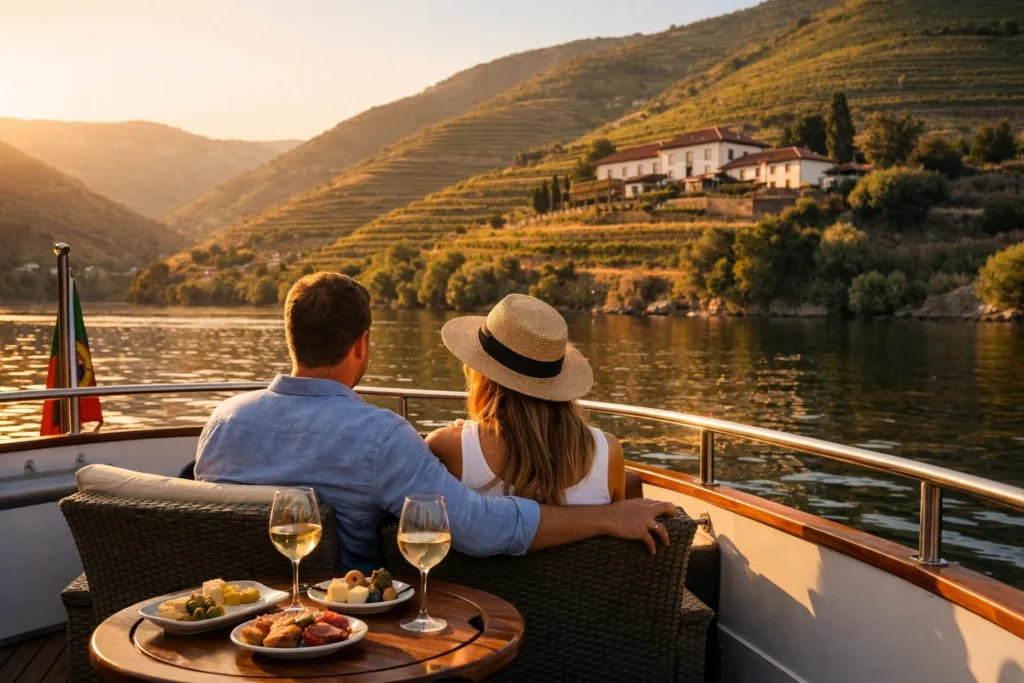
Douro by River: Scenic Cruises & Wine Estates (A Calm, Curated Day)
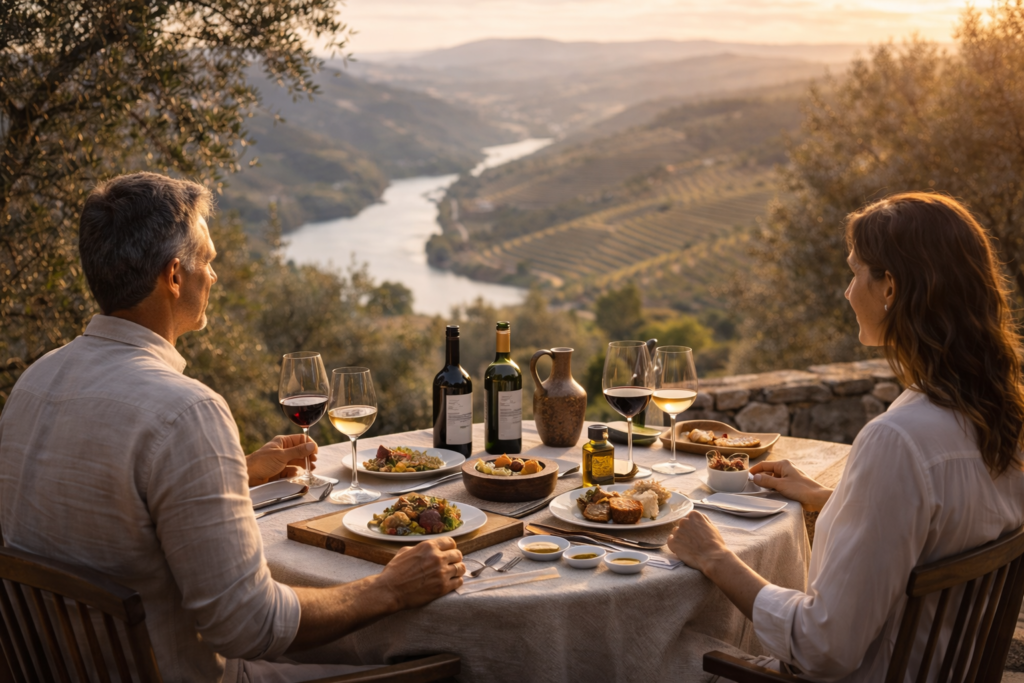
Wine Pairing Lunches in Portugal: Douro vs Alentejo (What’s Different)
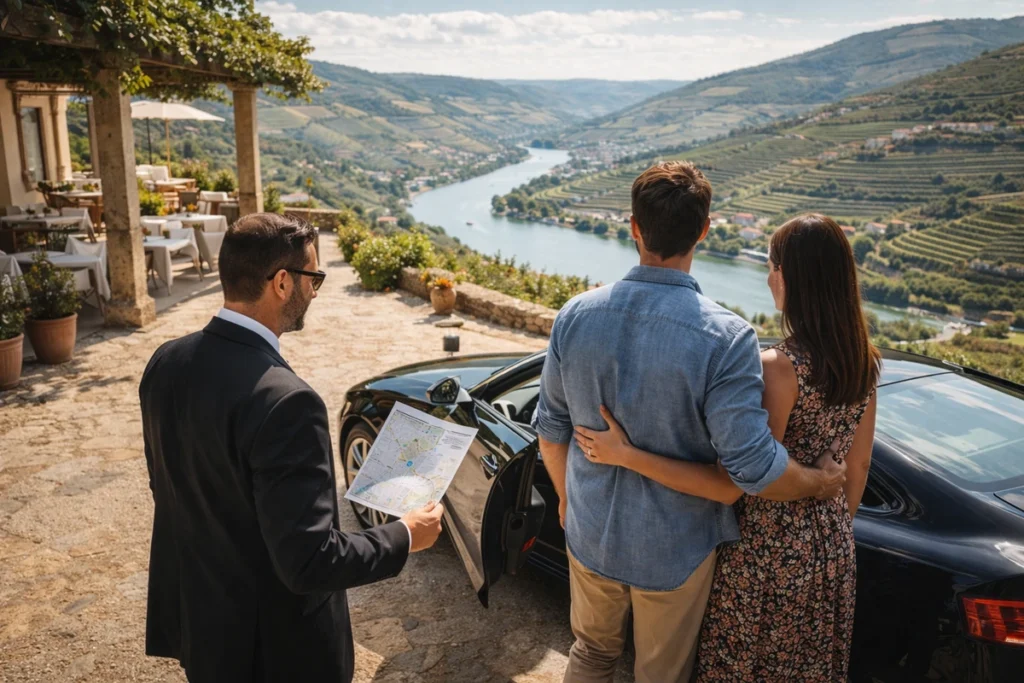
How to Plan a Wine Estate Day in Portugal (Private Driver, Timing & Pacing)

Viewpoint-to-Dinner Routes in Lisbon (Golden Hour to Table)
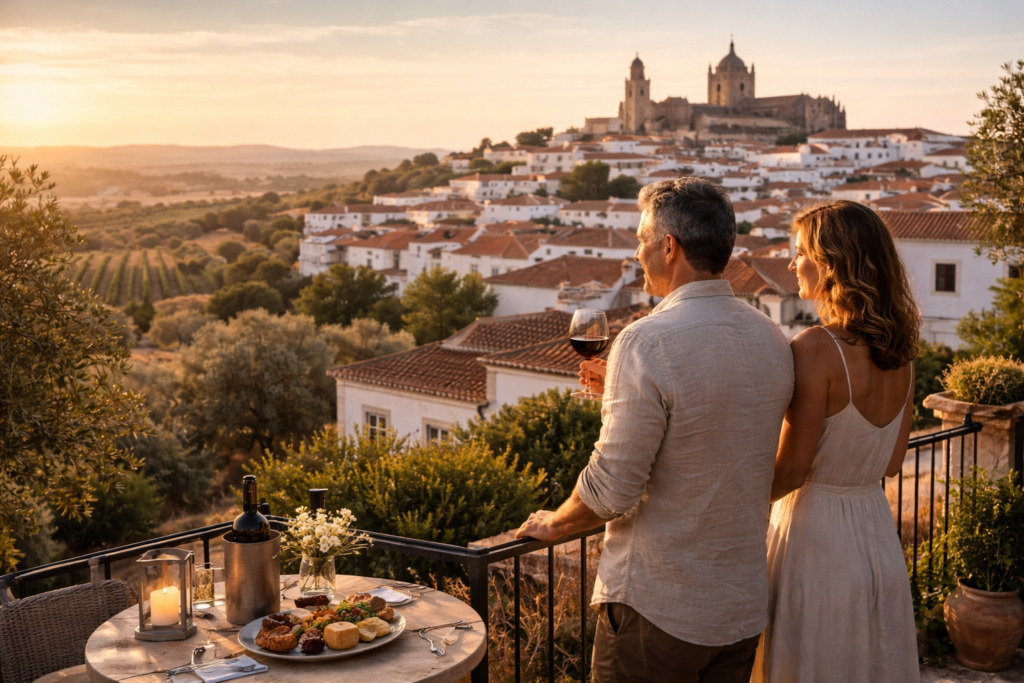
Where to Base for Alentejo Wine: Évora vs Countryside Estates
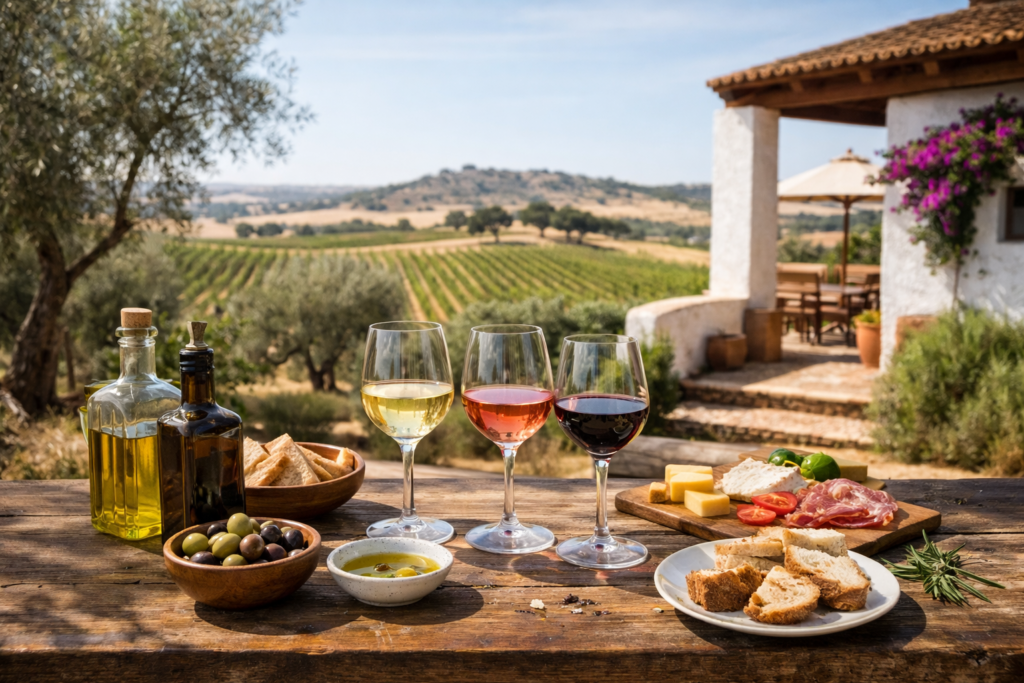
Alentejo Wine Estates & Olive Oil Tastings (A Slow, Sense-of-Place Escape)

What to Do and See in Lisbon: The Most Authentic Experiences

Best Wine Estate Experiences in Portugal: Quintas, Tastings & Long Lunches
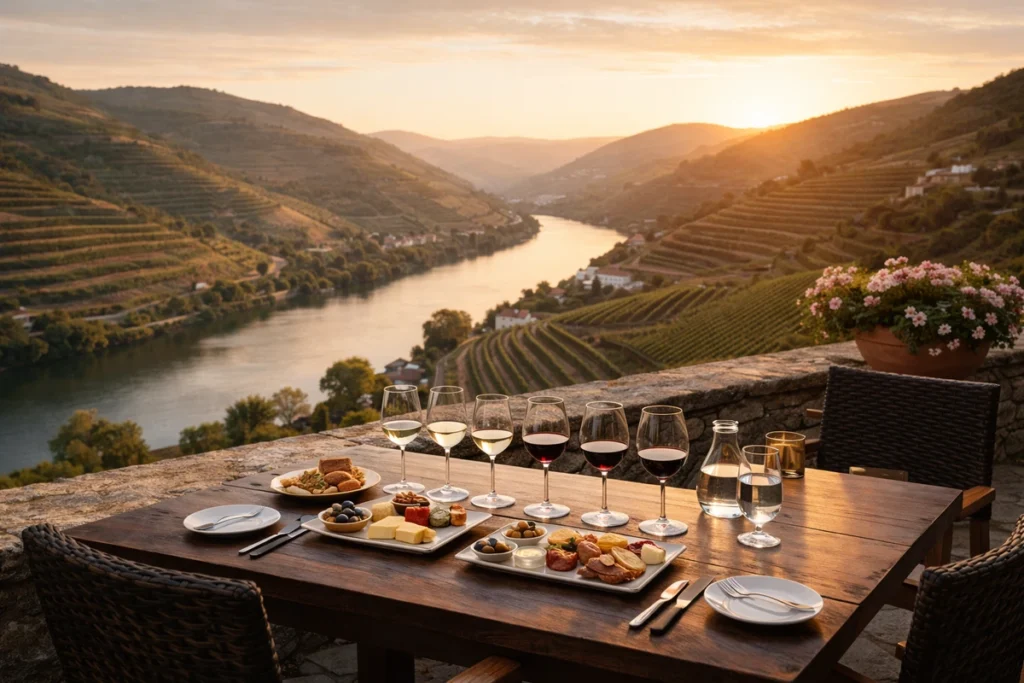
Douro Valley Wine Estates: Best Tastings, Views & Vineyard Lunches
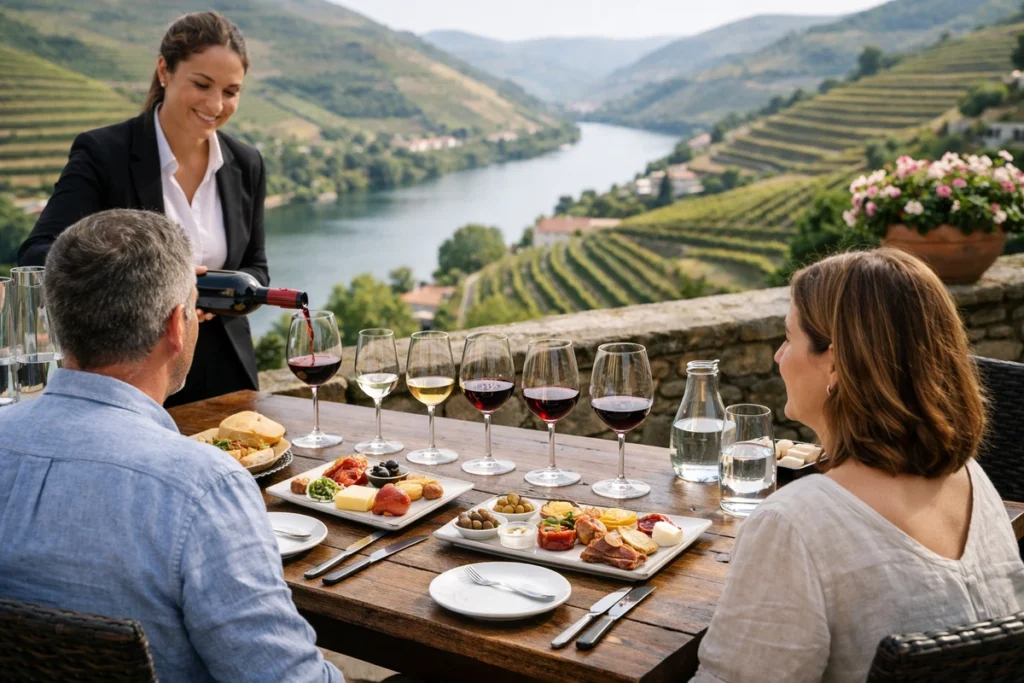
Portugal Wine Tastings: What to Expect (From Casual Flights to Private Pairings)
Douro Day Trip vs Overnight Stay: What’s Worth It